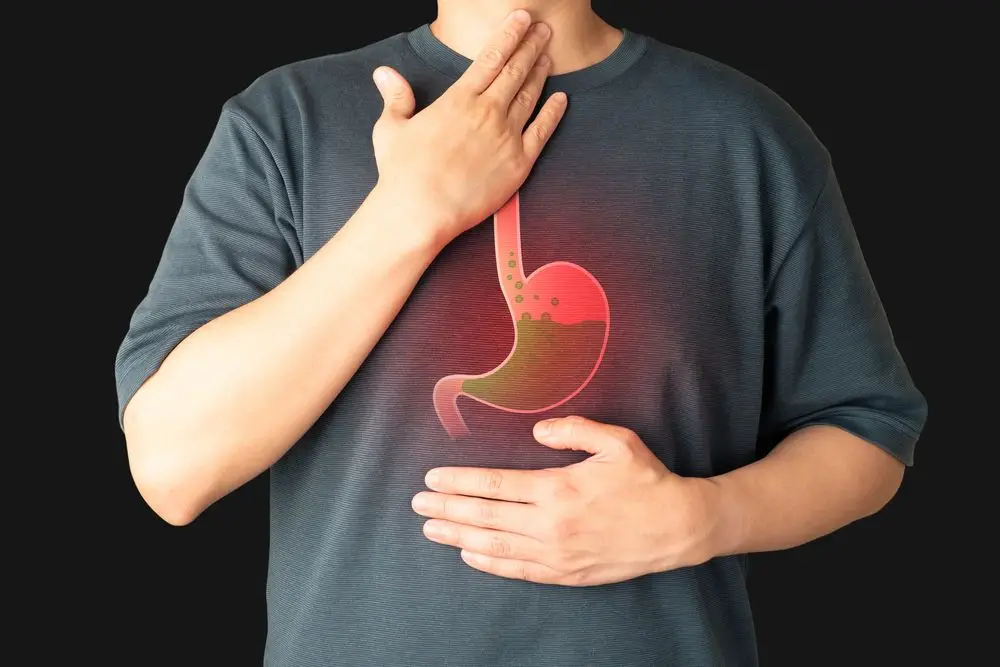
Its particularly beneficial for individuals who: Struggle with stubborn fat despite dieting and exercising
Improved Training Energy Higher mitochondrial output and ATP availability translate into greater training intensity, longer working sets, and better endurance across both resistance and conditioning work

Based on the clinical evidence and the patient profiles where the compound appears most applicable, the following characteristics tend to describe good candidates for AOD 9604 evaluation when it is medically supervised: Patients with stubborn localized fat deposits that have not responded to diet and exercise, particularly visceral and lower abdominal fat Patients who cannot tolerate GLP-1 medications due to nausea, gastrointestinal side effects, or contraindications Active patients with reasonable baseline metabolic health who want a targeted lipolytic tool to complement their training and nutrition program Patients already on a peptide protocol who want to add a fat-targeting element to a GHK-Cu, NAD+, or sermorelin stack Patients who are not candidates for stimulant-based fat loss medications due to cardiovascular sensitivity, anxiety, or blood pressure concerns AOD 9604 is not appropriate as a standalone weight loss strategy for patients with significant obesity, insulin resistance, or metabolic syndrome

These two medications should be taken at different times of the day
Cellular : Energy production, damage repair, and senescent cell clearance, including mitochondrial function and DNA repair
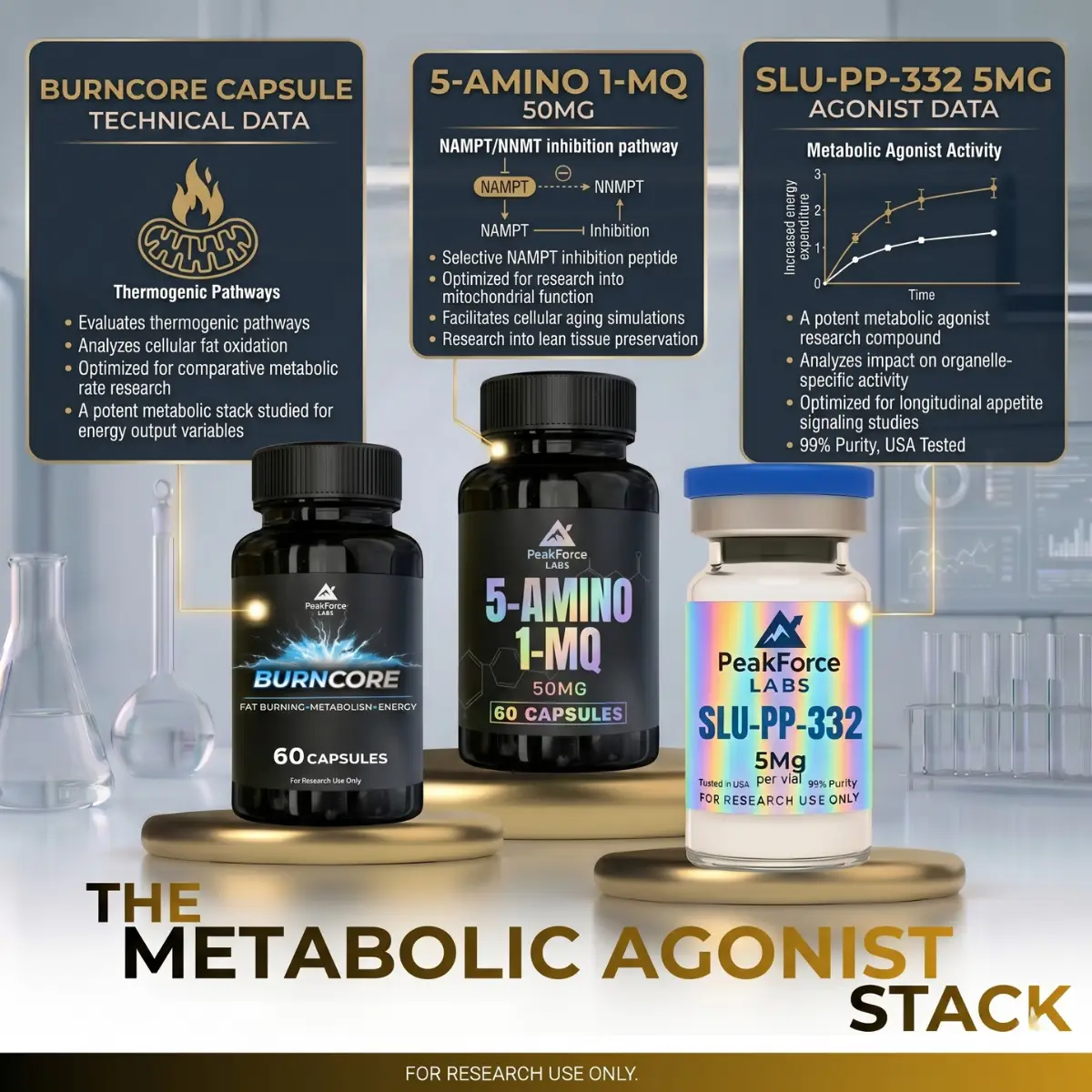
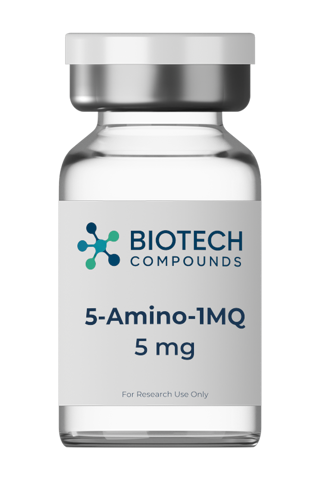
By restoring NAD+ where NNMT had been depleting it, 5-Amino-1MQ aims to flip stubborn, storage-mode fat cells back toward an active, energy-burning state