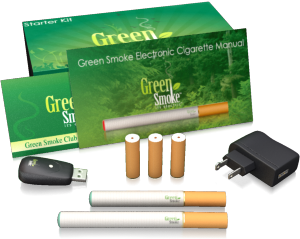
The respiratory system acts as a natural filter, with different regions capturing particles based on their aerodynamic properties: Upper Airways (Throat and Trachea): Capture particles larger than 5 micrometers First line of defense against larger contaminants Associated with irritation and inflammation responses Large Airways (Bronchi): Trap particles between 1-5 micrometers Can trigger bronchial responses and coughing Important for understanding chronic bronchitis development Small Airways and Alveoli: Receive particles smaller than 1 micrometer Critical for gas exchange function Most vulnerable to long-term damage from fine particles Research shows that the majority of cigarette and e-cigarette aerosol mass falls within the 0.4 to 1.3 micrometer range, meaning these particles can penetrate deep into the lungs where they may cause the most significant health impacts
Think of it as texture and weight
Key points include differences in construction, tobacco type, nicotine delivery, health implications, smoking technique, and cultural significance
"Carter Proposes Legislation on Mental Health Care"
While countries overall cigarette tax scores increased from 2.23 in 2014 to 2.53 in 2020, countries per-capita cigarette consumption decreased from more than 1060 cigarette sticks in 2014 to 880 cigarette sticks in 2020
It was a little more produced than the previous stuff in that sense